Embark on a journey through the world of backpacking with our comprehensive guide on How to Go Backpacking: 10 Backpacking Tips for Beginners. From essential gear to safety measures, this article covers everything you need to know to kickstart your backpacking adventures.
Whether you’re a novice or seasoned traveler, this guide will equip you with the knowledge and skills to make your backpacking experience unforgettable.
Overview of Backpacking
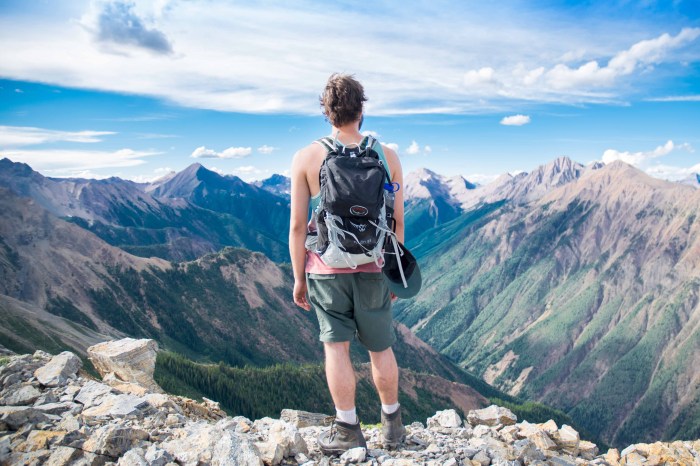
Backpacking is a form of low-cost, independent travel where individuals carry all their belongings in a backpack and explore various destinations. It involves immersing oneself in new cultures, meeting people from different backgrounds, and experiencing adventures off the beaten path.
For beginners, backpacking offers a sense of freedom and adventure that traditional travel methods may not provide. It allows individuals to step out of their comfort zones, challenge themselves, and create unforgettable memories along the way.
Advantages of Backpacking over Traditional Travel
- Flexibility: Backpacking allows travelers to change their plans on a whim, explore hidden gems, and stay longer in places they love without being tied to a rigid itinerary.
- Cost-Effective: With backpacking, individuals can save money on accommodation, transportation, and food by opting for budget-friendly options such as hostels, public transportation, and local street food.
- Cultural Immersion: Backpacking provides a deeper cultural immersion experience as travelers interact with locals, try authentic cuisine, and learn about traditions firsthand.
- Sense of Achievement: Completing a backpacking trip, especially for beginners, can instill a sense of accomplishment and boost confidence as they navigate new environments and overcome challenges.
Essential Gear and Packing Tips
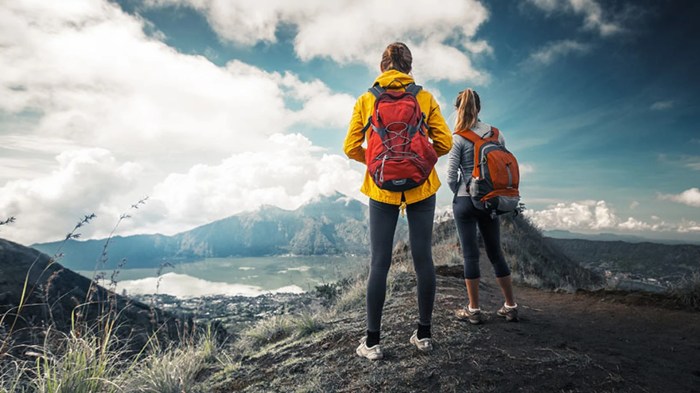
When embarking on a backpacking trip, having the right gear and knowing how to pack efficiently are crucial for a successful and enjoyable experience. Here, we will discuss the essential gear for beginner backpackers, packing tips, and how to choose the right backpack and gear for different types of trips.
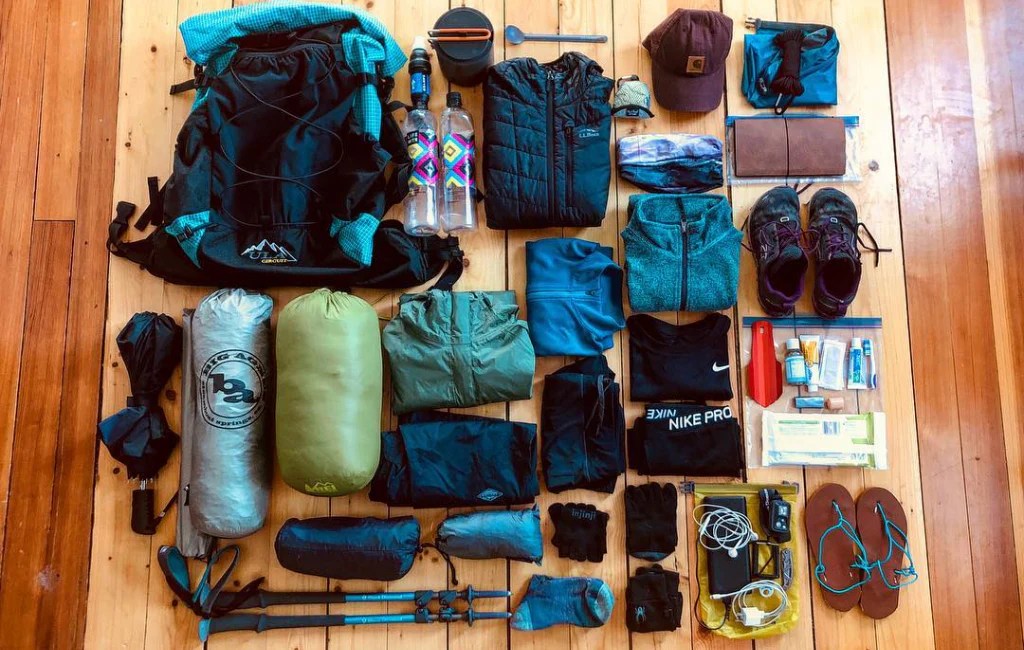
Must-Have Gear for Beginner Backpackers
- A sturdy and comfortable backpack
- Tent or shelter
- Sleeping bag and sleeping pad
- Cooking supplies (stove, utensils, fuel)
- Water filtration system or purification tablets
- Appropriate clothing for various weather conditions
- Hiking boots or sturdy footwear
- First aid kit
- Map, compass, or GPS device
- Headlamp or flashlight
Packing Efficiently for a Backpacking Trip
- Organize gear by priority and accessibility
- Use lightweight and compact gear
- Utilize stuff sacks or compression bags to save space
- Avoid overpacking by sticking to the essentials
- Distribute weight evenly in your backpack
Choosing the Right Backpack and Gear for Different Trips
- For short trips, consider a smaller backpack with less capacity
- For longer trips, opt for a larger backpack with more features and support
- Choose gear suitable for the terrain and climate of your destination
- Invest in quality gear that will last multiple trips
- Adjust your gear selection based on the length and difficulty of the trip
Safety and Navigation

When backpacking, safety should always be a top priority to ensure a smooth and enjoyable trip. From preparing for emergencies to navigating through unfamiliar terrain, here are some essential tips to help you stay safe while exploring the wilderness.
Importance of Safety Precautions
- Always inform someone of your itinerary before heading out into the wilderness.
- Pack a first aid kit with essential supplies like bandages, antiseptic wipes, and pain relievers.
- Carry a map, compass, or GPS device to help you navigate and prevent getting lost.
- Research the area you’ll be backpacking in to be aware of potential hazards or wildlife encounters.
- Stay hydrated, well-fed, and protect yourself from extreme weather conditions.
Staying Safe in the Wilderness
- Set up camp away from cliffs, bodies of water, and potential hazards.
- Avoid consuming unknown plants or mushrooms that could be poisonous.
- Keep a safe distance from wildlife and never approach them for a photo or interaction.
- Practice fire safety by following regulations and fully extinguishing campfires before leaving.
- Stay alert and aware of your surroundings at all times to spot potential dangers.
Navigating Through Unfamiliar Terrain and Handling Emergencies
- Learn how to read maps, use a compass, and navigate using landmarks to avoid getting lost.
- In case of an emergency, stay calm, assess the situation, and use your emergency supplies.
- SOS signals, whistle, and mirror can be useful tools to signal for help in case of emergencies.
- If lost, stay in one place, make yourself visible, and listen for rescue teams.
- Know basic first aid skills to treat minor injuries and illnesses while waiting for help.
Final Thoughts
In conclusion, mastering the art of backpacking can open up a world of exploration and adventure. By following these tips, you’ll be well-prepared to hit the trails and create lasting memories along the way. Happy backpacking!