How to Paint with Watercolors: 8 Watercolor Painting Techniques for Beginners sets the stage for this enthralling narrative, offering readers a glimpse into a story that is rich in detail and brimming with originality. Dive into the world of watercolor painting with these essential techniques perfect for beginners.
Watercolor Painting Techniques Overview
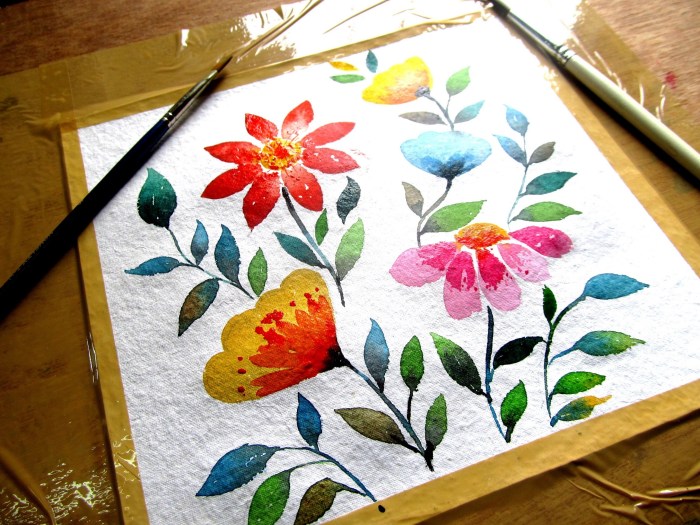
Watercolor painting is a versatile and beautiful medium that involves using pigments mixed with water to create stunning artworks. The transparency and fluidity of watercolors allow for unique effects and a wide range of techniques.
Essential Tools for Watercolor Painting
- Watercolor paints: Available in tubes or pans, watercolor paints come in a variety of colors and qualities.
- Watercolor brushes: Different brush shapes and sizes are used for various techniques in watercolor painting.
- Watercolor paper: Specialized paper designed for watercolor painting, with different textures and weights available.
- Palette: Used for mixing and diluting watercolor paints.
Importance of Paper Selection in Watercolor Painting
The choice of paper greatly influences the outcome of a watercolor painting. Different papers have varying absorbency levels and textures that affect how the paint behaves on the surface. It is important to select the right paper to achieve the desired effects in your artwork.
Types of Watercolor Paints
- Artist-grade watercolors: High-quality paints with intense pigments and excellent lightfastness.
- Student-grade watercolors: More affordable paints with a lower pigment concentration, suitable for beginners and practice.
- Watercolor pencils: Watercolor pigment in pencil form, offering control and precision in detailing.
Wet-on-Wet Watercolor Technique
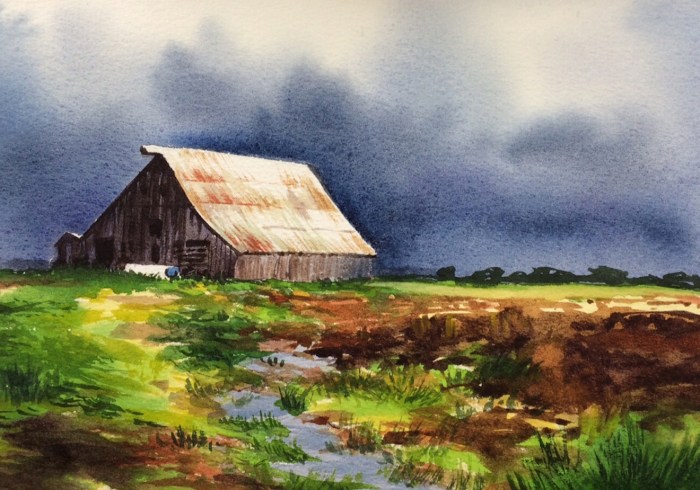
The wet-on-wet watercolor technique involves applying wet paint onto a wet surface, allowing colors to blend and create soft transitions. This technique is commonly used to achieve smooth gradients and beautiful blends in watercolor paintings.
Process of Applying Wet Paint on a Wet Surface
When using the wet-on-wet technique, start by wetting the paper with clean water using a large brush. Then, apply watercolor paint onto the wet surface, allowing the colors to spread and mix naturally. You can use different brushes to create various effects, such as soft washes or textured details.
Tips for Creating Gradients and Blends
- Start with a light wash of color and gradually add more pigment to create a gradient effect.
- Blend two or more colors together while the surface is still wet to achieve seamless transitions.
- Experiment with different brush techniques, such as dry brushing or lifting off paint, to create unique textures and effects.
Behavior of Different Watercolor Pigments
When using the wet-on-wet technique, it’s important to consider how different watercolor pigments behave. Some pigments may granulate and create interesting textures, while others may flow smoothly and blend easily. Experiment with a variety of colors to understand how each pigment interacts with water and other colors on the wet surface.
Dry Brush Watercolor Technique
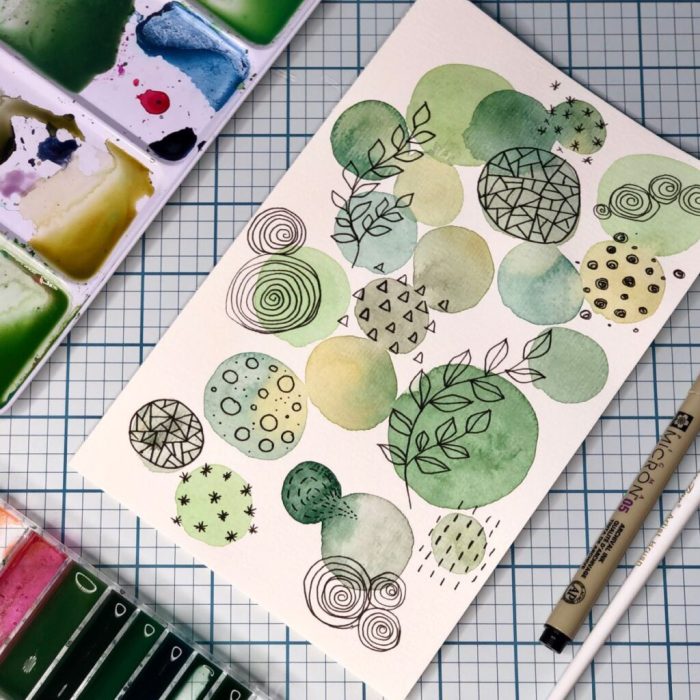
The dry brush watercolor technique involves using a brush that is not fully saturated with water to create textured and detailed effects in your painting. By using less water, the paint will appear more concentrated and create a rough, scratchy texture on the paper.
How to Achieve Texture and Details with Dry Brushing
To achieve texture and details with dry brushing, follow these steps:
- Load your brush with watercolor paint, then remove excess paint by gently wiping it on a paper towel.
- Apply the brush to the paper with quick, short strokes, allowing the dry brush to catch on the texture of the paper.
- Layer different colors using the dry brush technique to create depth and dimension in your painting.
- Experiment with varying pressure on the brush to control the intensity of the texture and details.
Best Types of Brushes for the Dry Brush Technique
When using the dry brush technique, it is best to use brushes with stiff bristles such as hog hair or synthetic brushes. These brushes will hold less water and allow you to control the amount of paint applied to the paper more effectively.
Examples of Artworks Using the Dry Brush Technique
The dry brush technique is often used in landscapes to depict rough textures like tree bark, rocks, or sandy surfaces. Artists may also use this technique to create detailed fur or feathers in animal portraits. By varying the pressure and direction of the brush strokes, intricate details and textures can be achieved in watercolor paintings.
Final Thoughts
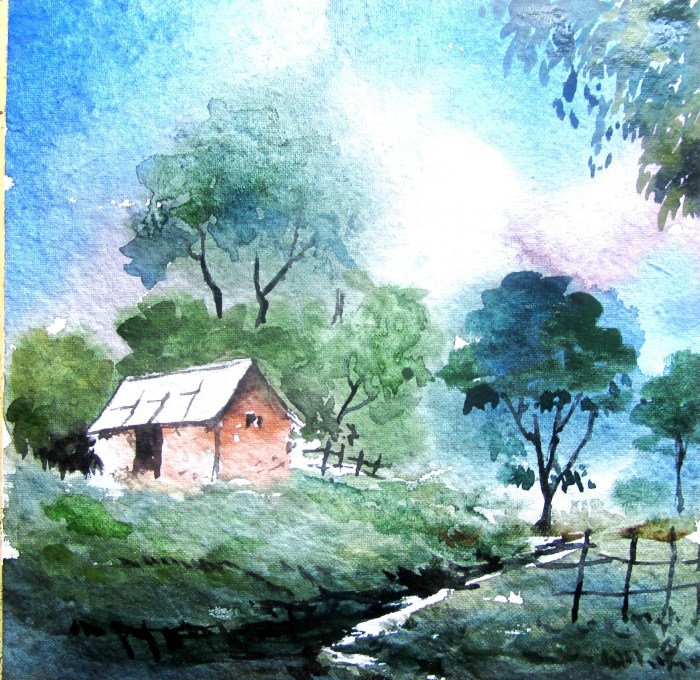
Explore the beauty of watercolor painting and unleash your creativity with the 8 essential techniques discussed. Enhance your skills and create stunning artworks with the knowledge gained from this insightful guide.