Embark on a journey to enhance your travel photography skills with How to Take Better Travel Photos: 10 Photography Tips for Travelers, where we delve into the secrets behind creating stunning visual narratives that encapsulate the essence of your adventures.
Unlock the key components that elevate your photos from ordinary to extraordinary and discover the art of storytelling through your lens.
Importance of Lighting in Travel Photography

Lighting plays a crucial role in determining the quality of your travel photos. The right lighting can enhance the mood, colors, and overall impact of your images, while poor lighting can result in dull and uninteresting photos.
Utilizing Natural Light Effectively
When shooting outdoors, natural light is your best friend. Here are some tips to make the most of it:
- Shoot during the golden hours – the hour after sunrise and the hour before sunset when the light is soft and warm.
- Avoid harsh midday sun by seeking shade or using a reflector to soften the light on your subject.
- Experiment with backlighting to create a dreamy and ethereal effect in your photos.
Capturing Stunning Photos During Golden Hour
The golden hour, also known as magic hour, is a period shortly after sunrise or before sunset when the light is soft, warm, and perfect for photography. Here are some techniques to capture stunning photos during this time:
- Position your subject with the light behind them to create a beautiful glow and avoid harsh shadows.
- Use a wide aperture to create a soft background blur, making your subject stand out against the warm light.
- Experiment with silhouettes against the colorful sky for dramatic and captivating shots.
Composition Techniques for Travel Photography
When it comes to capturing stunning travel photos, mastering composition techniques is key. Here are some important aspects to consider:
Rule of Thirds
- The rule of thirds involves dividing your frame into a 3×3 grid with two horizontal and two vertical lines, resulting in nine equal parts.
- By placing key elements along these gridlines or at their intersections, you can create a more visually appealing and balanced composition.
- For example, when photographing a landscape, you might position the horizon along the bottom third line to emphasize the sky or the top third line to highlight the foreground.
Leading Lines
- Leading lines are elements within a photo that guide the viewer’s eye towards the main subject or focal point.
- These lines can be natural, like a winding road or a row of trees, or man-made, such as a pathway or a bridge.
- By incorporating leading lines into your composition, you can create depth, movement, and visual interest in your travel photos.
Framing Subjects
- Framing subjects involves using elements within the scene to frame or highlight the main subject.
- This technique can add context, draw attention to the subject, and create a sense of depth in the composition.
- For instance, you could frame a distant mountain peak with overhanging tree branches or use a doorway to frame a person walking through a bustling street.
Equipment and Gear for Travel Photography
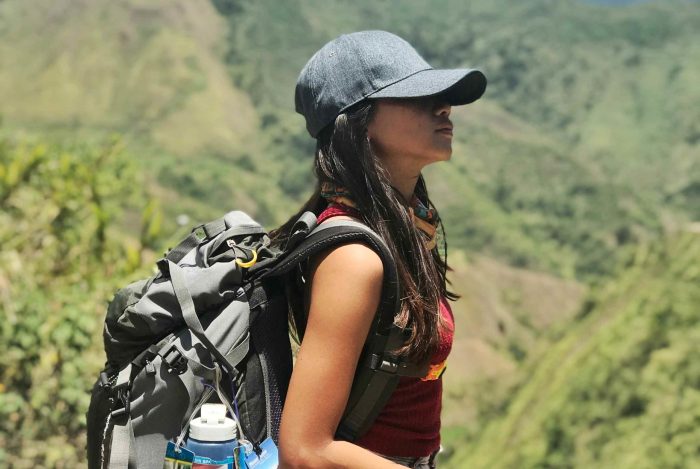
When it comes to capturing stunning travel photos, having the right equipment and gear is essential. Whether you’re a beginner or a seasoned photographer, the gear you choose can make a significant difference in the quality of your images. Here, we’ll explore the essential gear for travel photography, compare different camera options, and discuss the importance of packing light while carrying photography equipment during your travels.
Essential Gear for Travel Photography
- A high-quality camera: Invest in a good camera that suits your needs and budget. DSLR cameras are popular for their versatility and image quality.
- Lenses: Pack a versatile lens kit that includes a wide-angle lens for landscapes, a telephoto lens for capturing distant subjects, and a prime lens for portraits.
- Tripod: A lightweight and compact tripod can help you stabilize your camera for long exposure shots or self-portraits.
- Camera bag: Choose a durable and comfortable camera bag that can safely store all your gear while on the move.
- Memory cards and batteries: Always carry extra memory cards and batteries to ensure you never run out of storage or power while shooting.
Comparing Different Camera Options
- DSLR vs. Mirrorless: DSLR cameras are known for their optical viewfinders and long battery life, while mirrorless cameras are compact and offer electronic viewfinders.
- Compact Cameras: Compact cameras are lightweight and easy to carry, making them ideal for casual travel photography.
- Smartphone Cameras: Smartphone cameras have come a long way in terms of image quality and features, making them a convenient option for capturing quick snapshots on the go.
Importance of Packing Light
Packing light is crucial when it comes to travel photography. Carrying heavy and bulky equipment can be cumbersome and restrict your mobility while exploring new destinations. Opt for lightweight and versatile gear that can meet your photography needs without weighing you down. Remember, the best camera is the one you have with you, so prioritize portability and convenience when selecting equipment for your travel adventures.
Conclusion
As we conclude our exploration of How to Take Better Travel Photos: 10 Photography Tips for Travelers, remember that each click of the shutter presents an opportunity to freeze time and preserve cherished memories in captivating images that transcend the ordinary.