Embark on a journey delving into the world of calligraphy with “How to Write Calligraphy: 5 Calligraphy Styles for Beginners,” where the beauty of written artistry awaits exploration in various captivating styles.
Discover the essence of calligraphy, its diverse styles, and the evolution of this timeless form of expression as we guide you through the intricacies of mastering this elegant craft.
Introduction to Calligraphy Styles
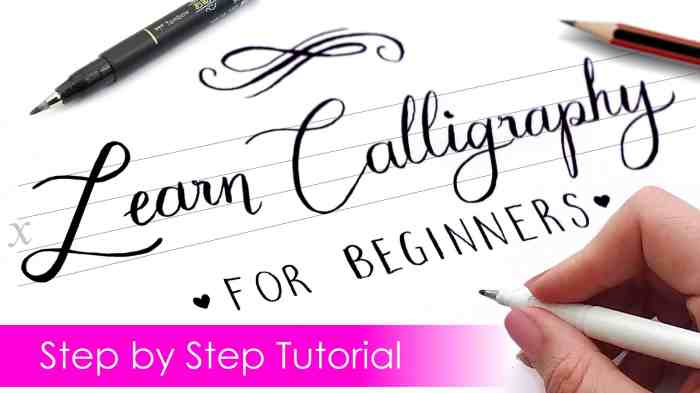
Calligraphy is the art of beautiful handwriting, often used for decorative or formal purposes. It plays a significant role in art, communication, and cultural expression. Calligraphy styles vary widely, offering beginners a range of options to explore and practice.
Historical Significance of Calligraphy
Calligraphy has a rich historical significance dating back centuries. It has been used in various cultures as a form of artistic expression, communication, and documentation. Over time, calligraphy styles have evolved, influenced by different traditions and artistic movements.
Exploring Different Calligraphy Styles
- 1. Uncial: Originating from the Latin script, Uncial calligraphy features rounded letters with minimal ascenders and descenders. It is known for its simplicity and elegance.
- 2. Italic: Italic calligraphy is characterized by a slight slant to the right, creating a dynamic and flowing look. It is often used in modern calligraphy and is popular for its readability.
- 3. Gothic: Also known as Blackletter, Gothic calligraphy features intricate, angular letterforms that are bold and striking. It has a medieval aesthetic and is commonly used for formal documents.
- 4. Copperplate: Copperplate calligraphy is a delicate and ornate style known for its thin upstrokes and thick downstrokes. It requires precision and control to create beautiful, flowing letters.
- 5. Brush Lettering: Brush lettering is a modern style of calligraphy that uses a brush pen or brush to create varying thickness in strokes. It offers a more casual and expressive approach to lettering.
5 Calligraphy Styles for Beginners
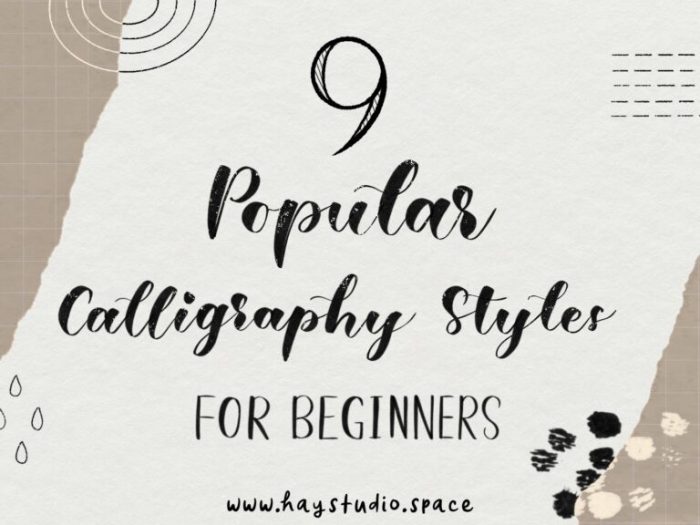
When starting out in the world of calligraphy, beginners may feel overwhelmed by the variety of styles to choose from. Here is an overview of five popular calligraphy styles that are perfect for beginners:
Italic Calligraphy
Italic calligraphy is known for its slanted and flowing letters. It is characterized by a slight tilt to the right and clean, simple lines. Beginners can practice italic calligraphy by focusing on consistency in letter slant and stroke thickness.
Copperplate Calligraphy
Copperplate calligraphy is an elegant and traditional style with elaborate loops and flourishes. It is often used for formal invitations and certificates. Beginners can practice copperplate calligraphy by mastering the basic oval shapes and learning to connect letters smoothly.
Brush Lettering
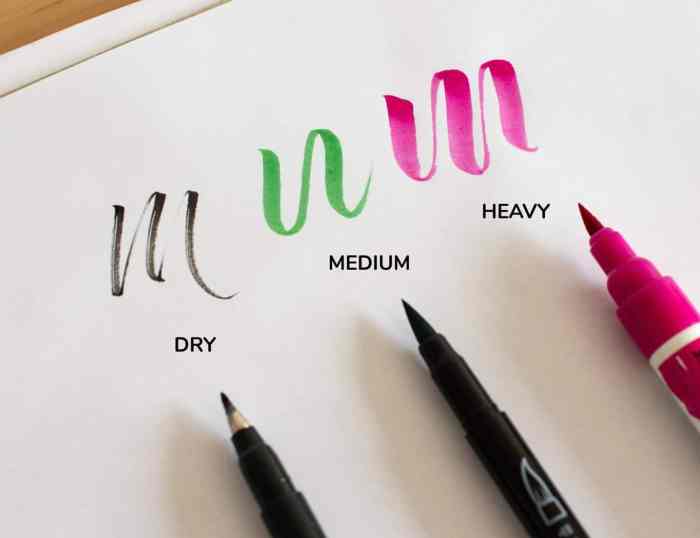
Brush lettering is a modern and artistic style that mimics the look of brush strokes. It allows for more expressive and dynamic letterforms. Beginners can practice brush lettering by experimenting with different brush pens and practicing various pressure techniques to create thin and thick lines.
Gothic Calligraphy
Gothic calligraphy, also known as Blackletter, features dense and angular letters with a medieval aesthetic. It is characterized by its dark, intricate lines and sharp corners. Beginners can practice gothic calligraphy by focusing on precision and consistency in letter spacing and shape.
Modern Calligraphy
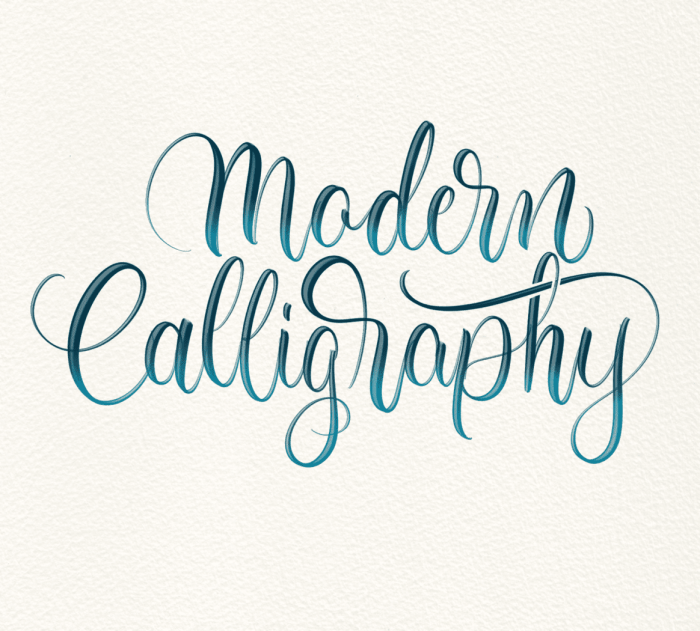
Modern calligraphy is a contemporary style that combines traditional calligraphy techniques with a more freeform and relaxed approach. It often incorporates unique flourishes and decorative elements. Beginners can practice modern calligraphy by experimenting with different writing tools and developing their own personal style.
Tools and Techniques for Calligraphy
Calligraphy is a beautiful art form that requires specific tools and techniques to master. Here we will discuss the essential tools needed for calligraphy, proper techniques for holding a calligraphy pen, creating different strokes, and guidance on how to practice and develop consistency in calligraphy writing.
Essential Tools for Calligraphy
- Calligraphy pens: Choose a pen with a pointed nib suitable for the style of calligraphy you want to practice.
- Nibs: Nibs come in various sizes and shapes, providing different line thicknesses and styles in calligraphy.
- Ink: Use high-quality, waterproof ink to ensure your calligraphy lasts and does not smudge.
- Paper types: Select smooth, high-quality paper that is suitable for calligraphy to prevent bleeding and feathering of ink.
Proper Techniques for Calligraphy
- Hold the pen at a 45-degree angle to the paper to achieve the best results in calligraphy writing.
- Apply consistent pressure on the downstrokes to create thick lines and release pressure on the upstrokes for thin lines.
- Practice different strokes like loops, swirls, and angles to improve your calligraphy skills and create diverse letterforms.
Developing Consistency in Calligraphy Writing
- Practice regularly to build muscle memory and improve your control over the pen.
- Use guide sheets and templates to help you maintain consistent letter heights and spacing.
- Experiment with different styles and techniques to find what works best for you and refine your calligraphy skills over time.
Conclusion
In conclusion, “How to Write Calligraphy: 5 Calligraphy Styles for Beginners” unveils the richness of calligraphy, offering a gateway to creativity and self-expression through the art of exquisite penmanship. Dive into the world of calligraphy and let your writing flourish with newfound flair and finesse.